Advancing Space Health
Unlocking Sleep Science in Aerospace
Pioneering research into sleep patterns, fatigue, and circadian rhythms to support safer, healthier space missions.
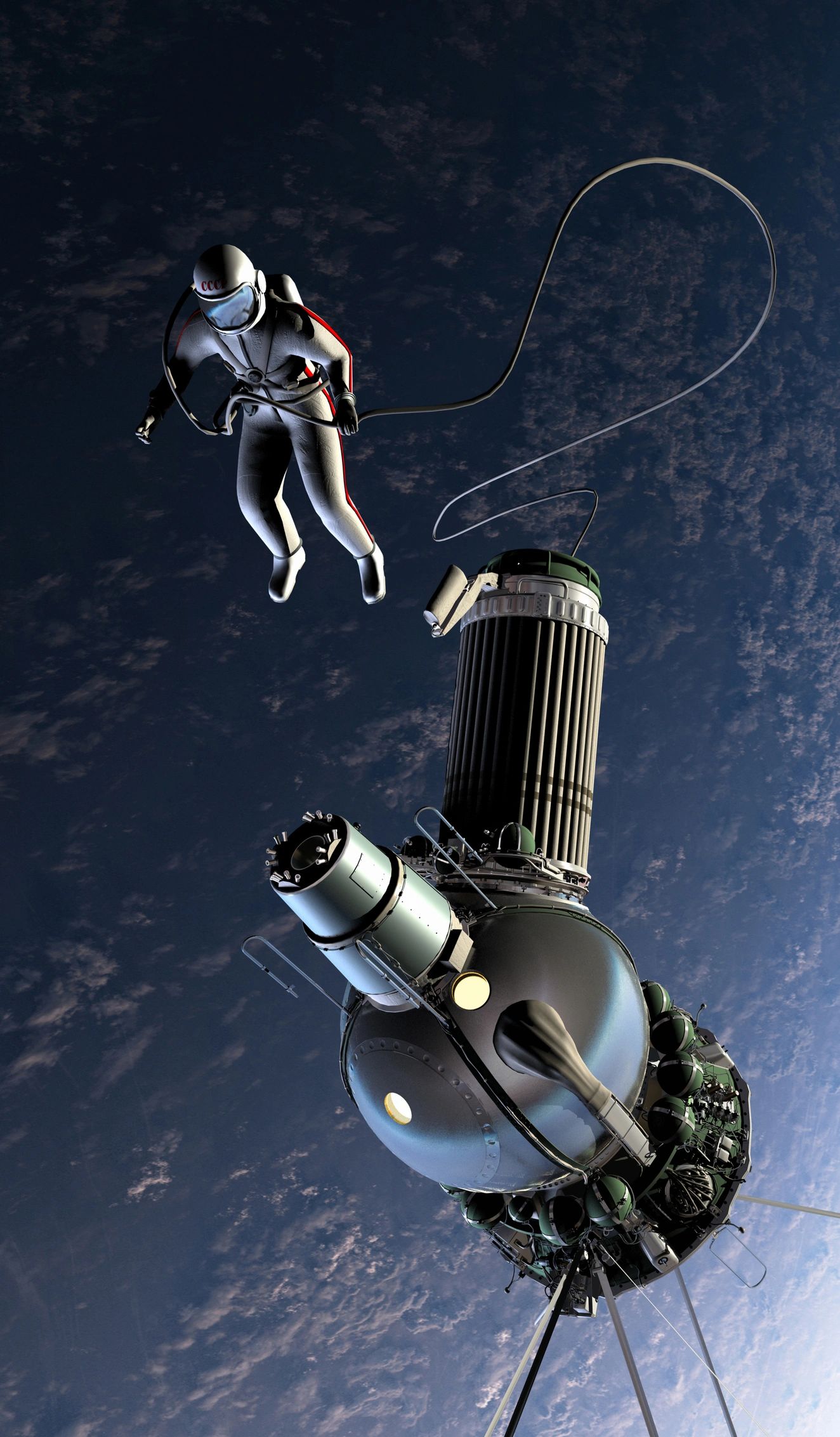
Key Features of Aerospace Sleep Research
Innovative Insights for Safer Space Missions
Our study explores the unique challenges of sleep in aerospace environments. From regulating circadian rhythms to optimizing astronaut health, discover how advanced research is shaping the future of space travel.

Circadian Rhythm Adaptation
Examining how astronauts adjust their sleep patterns in orbit to align with day-night cycles and mission demands.
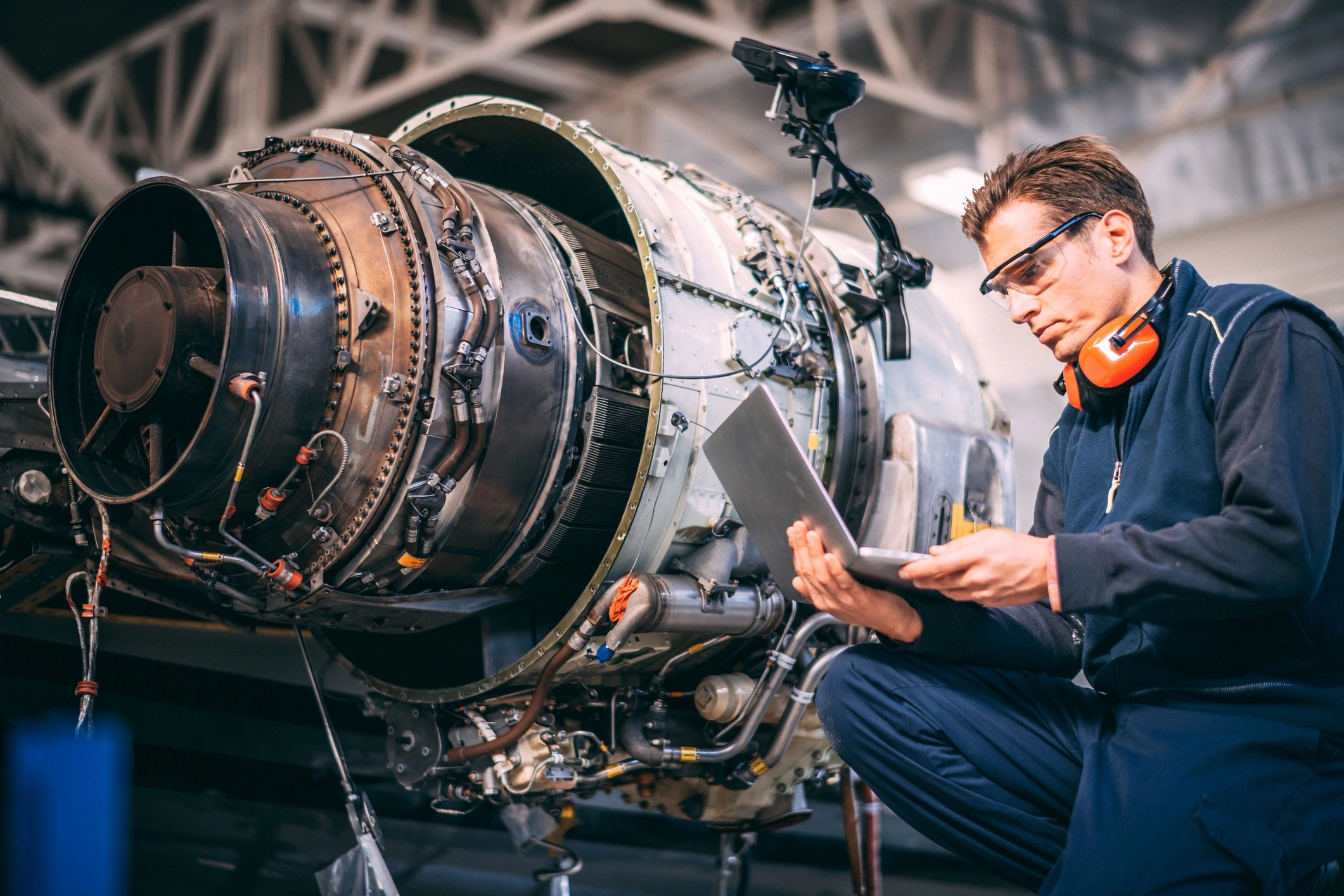
Fatigue Management Strategies
Developing evidence-based approaches to reduce fatigue and promote recovery in high-stress, low-gravity conditions.
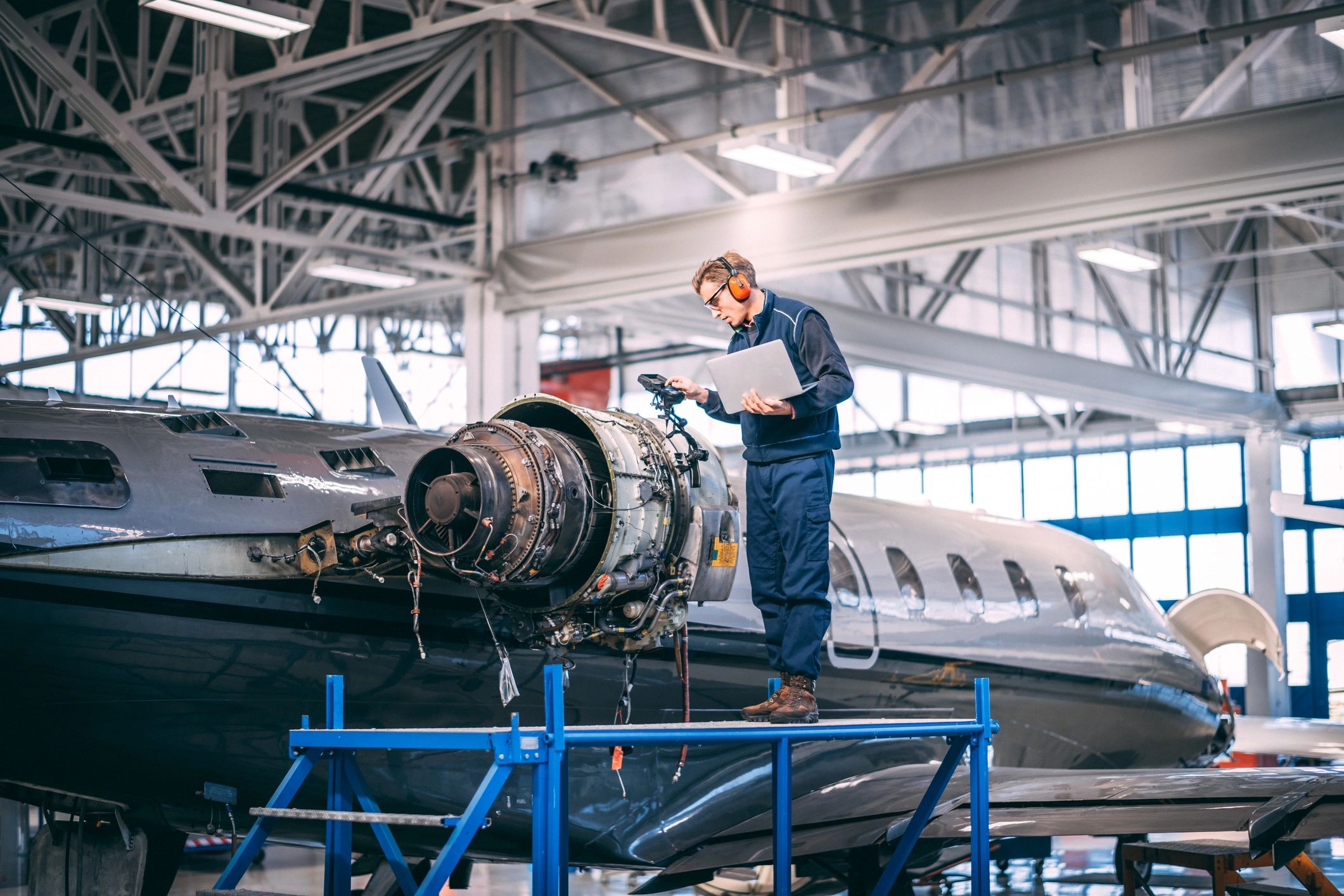
Human Factors in Spaceflight
Investigating how the space environment impacts sleep quality, cognitive function, and overall astronaut well-being.
Gallery: Life and Sleep in Space
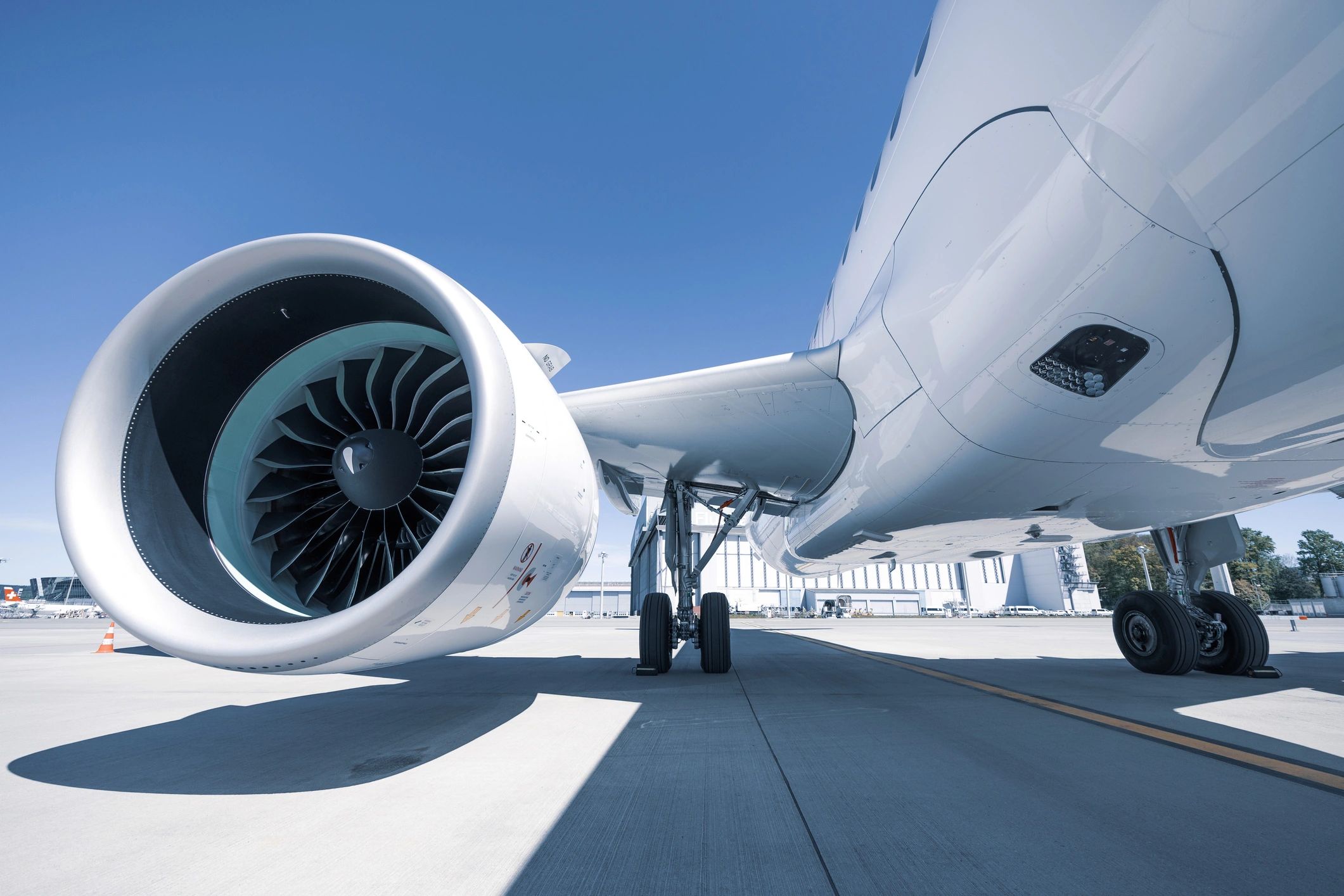
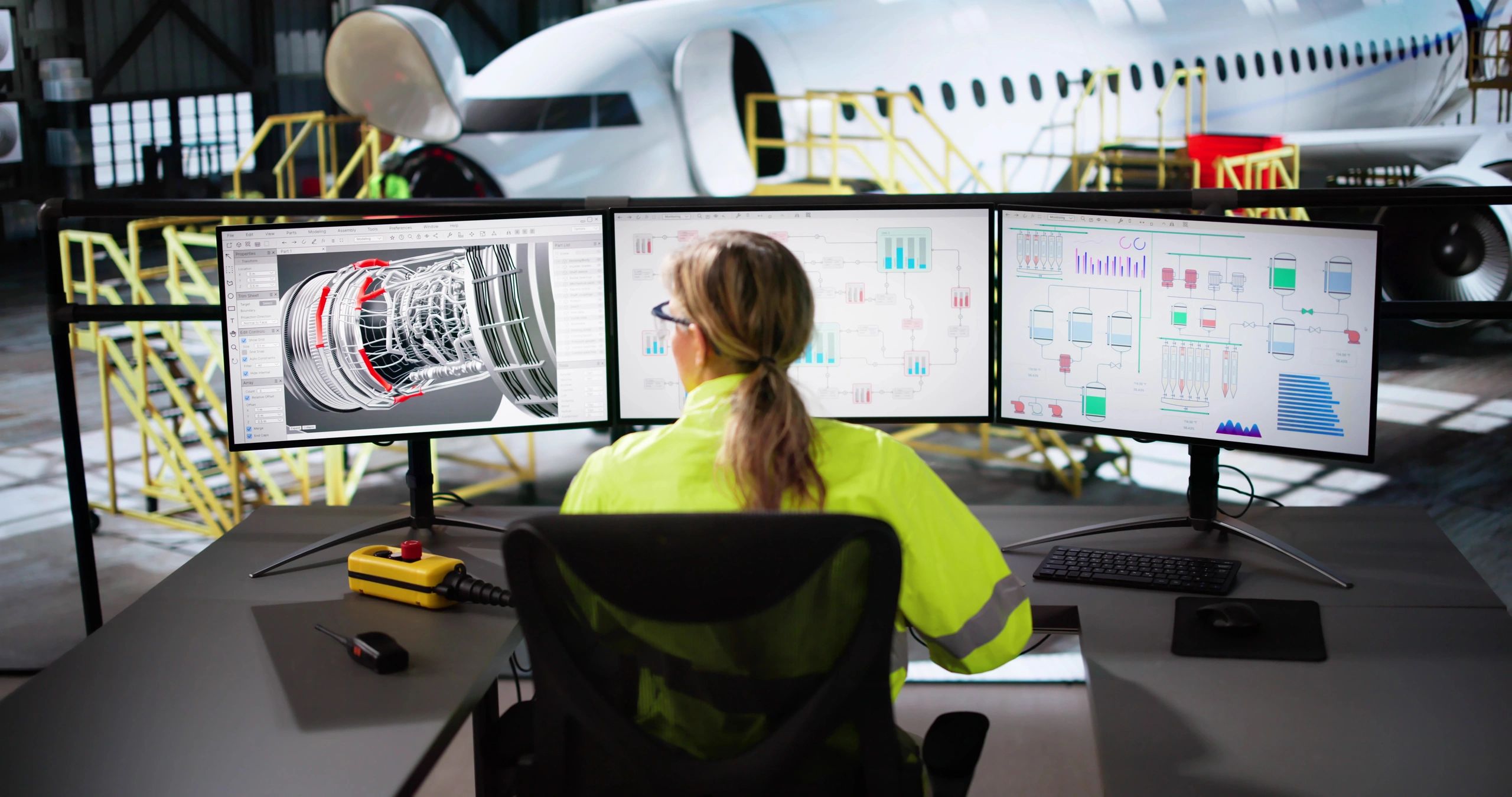
Explore visual highlights from space missions and sleep research, showcasing how astronauts manage rest and wellbeing beyond Earth.
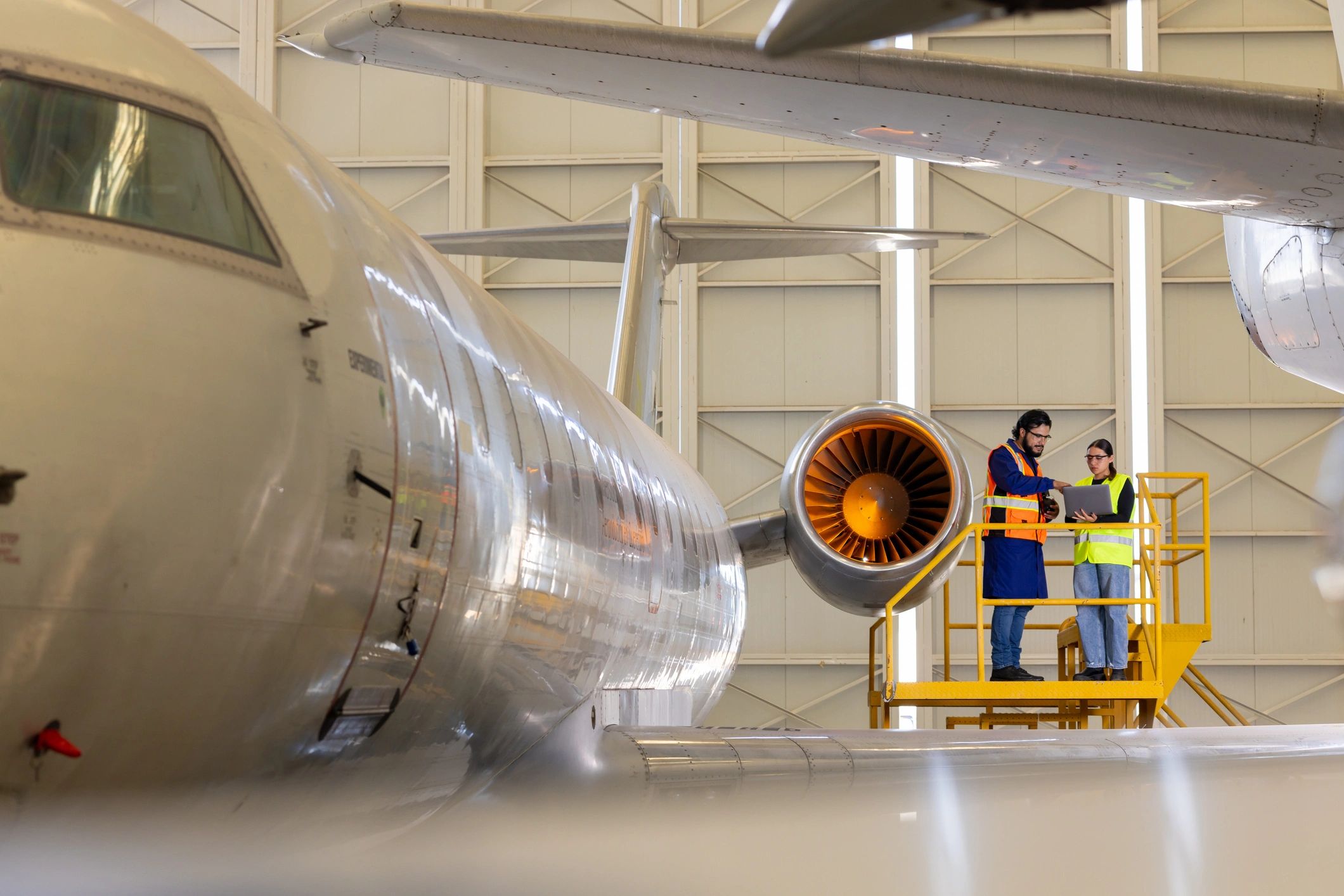
Why Sleep Research Matters in Aerospace
Sleep is a critical factor in the safety and performance of aerospace professionals, from pilots to astronauts. Disrupted sleep patterns and circadian rhythms can lead to fatigue, decreased alertness, and impaired decision-making during space missions.
Our research explores how unique aerospace environments impact human sleep and what this means for astronaut health and mission success. By understanding and managing sleep in space, we help pave the way for safer, more effective spaceflight.
Whether you are an industry expert or simply curious about human factors in space science, learning about sleep research is essential for advancing the future of aerospace exploration.
Discover Our Research Impact
Advancing Sleep Science in Aerospace
Expert Testimonials
Hear from leaders in aerospace and sleep science about the impact of our research.
The Sleeping Study in Aerospace provides crucial data that helps us optimize astronaut performance and safety during long-duration space missions. Its findings are invaluable for mission planning.
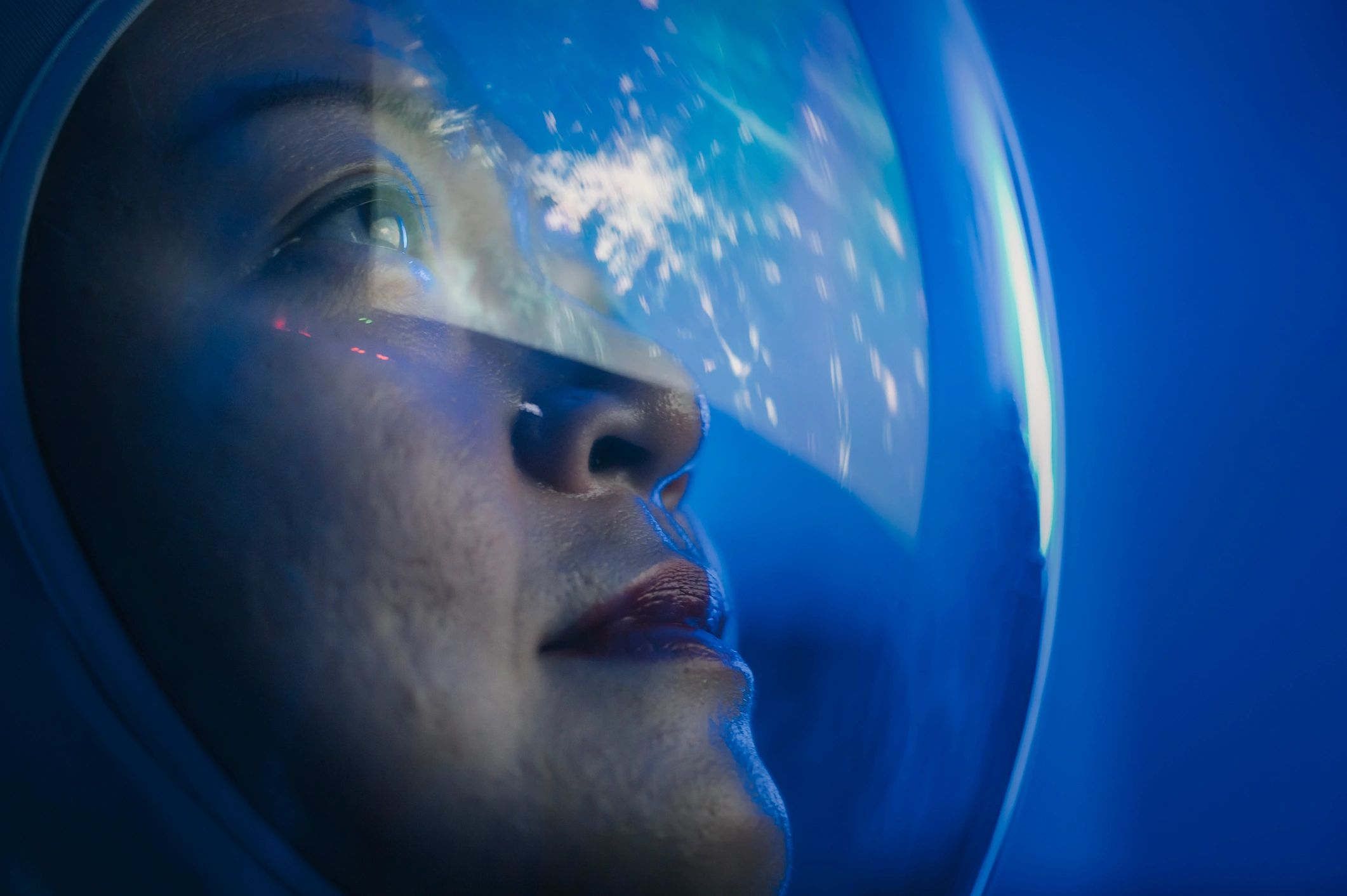
Dr. Elena Morales, Spaceflight Medical Officer
Understanding circadian rhythms in microgravity is essential for astronaut health. This study offers unique insights that support the well-being of crews on the International Space Station.
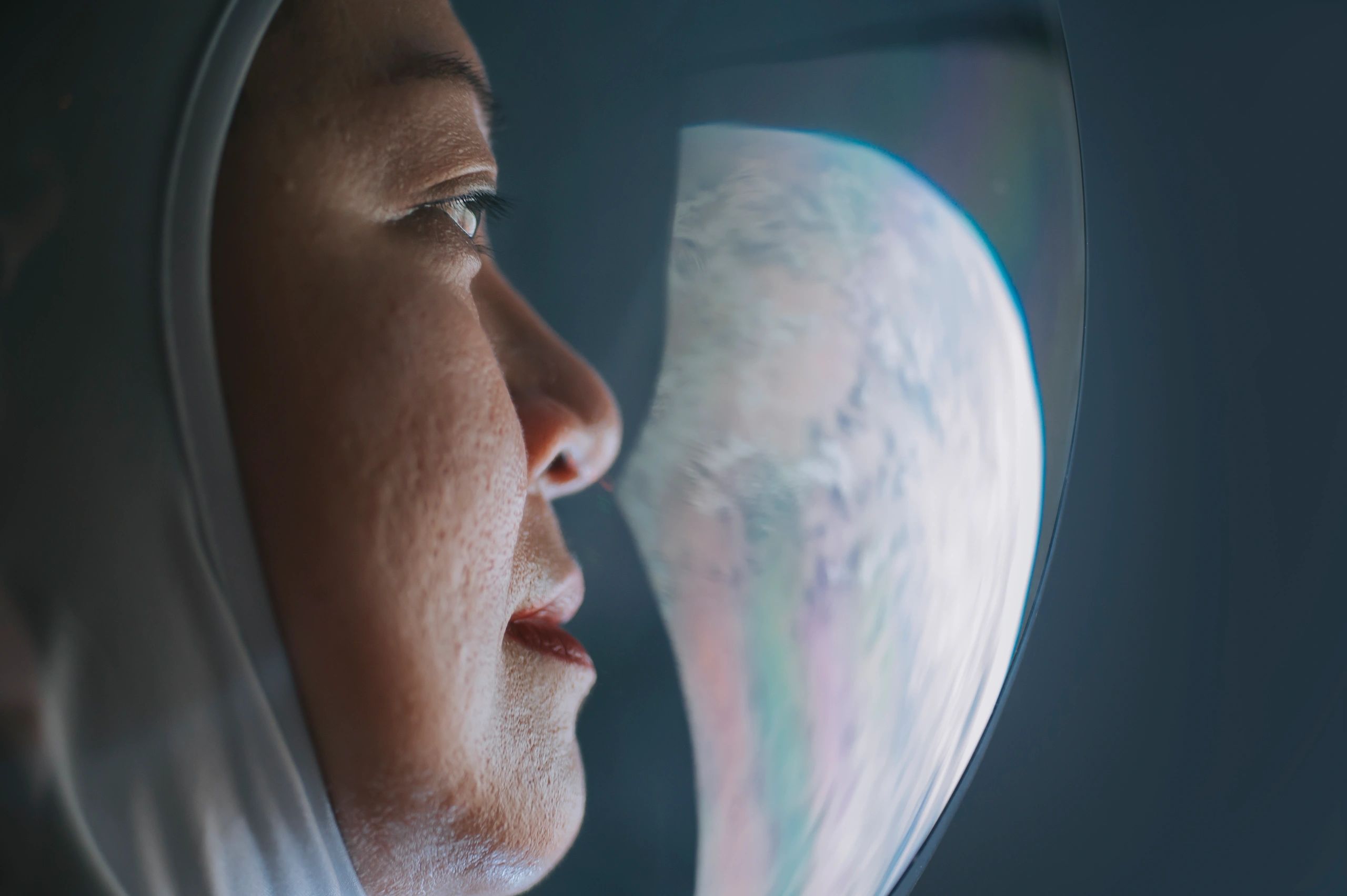
Lt. Col. Daniel Kim, Astronaut
As a fatigue management specialist, I rely on research like this to design effective countermeasures. The Sleeping Study in Aerospace sets a new standard for evidence-based solutions in space science.

Prof. Linda Chen, Human Factors Researcher