Advancing Human Health and Performance in Space
About the Sleeping Study in Aerospace
The Sleeping Study in Aerospace is dedicated to exploring how sleep patterns and circadian rhythms are affected by the unique conditions of aerospace and spaceflight. Our objective is to enhance astronaut health, safety, and overall mission success by providing science-backed insights into fatigue management and human factors.
Backgrounded by decades of space science and human physiology research, our study investigates the physiological and psychological impacts of disrupted sleep during space missions. We analyze how microgravity, confined environments, and changing light cycles influence restorative sleep and cognitive function.
Our methodology combines controlled laboratory simulations with data collected from real space missions. By monitoring sleep quality, alertness, and biometric indicators, we generate actionable findings for designing effective countermeasures and optimizing crew schedules.
The significance of this work extends beyond space: it informs best practices for high-performance teams in aviation, defense, and other critical sectors, promoting safer operations wherever humans face extreme challenges.
Innovative Methodology Features
Advancing Sleep Research for Aerospace Missions
Discover how our study leverages cutting-edge scientific methods and technologies to deepen understanding of sleep patterns in space. Our rigorous approach ensures data integrity, actionable insights, and relevance for the unique challenges of aerospace environments.
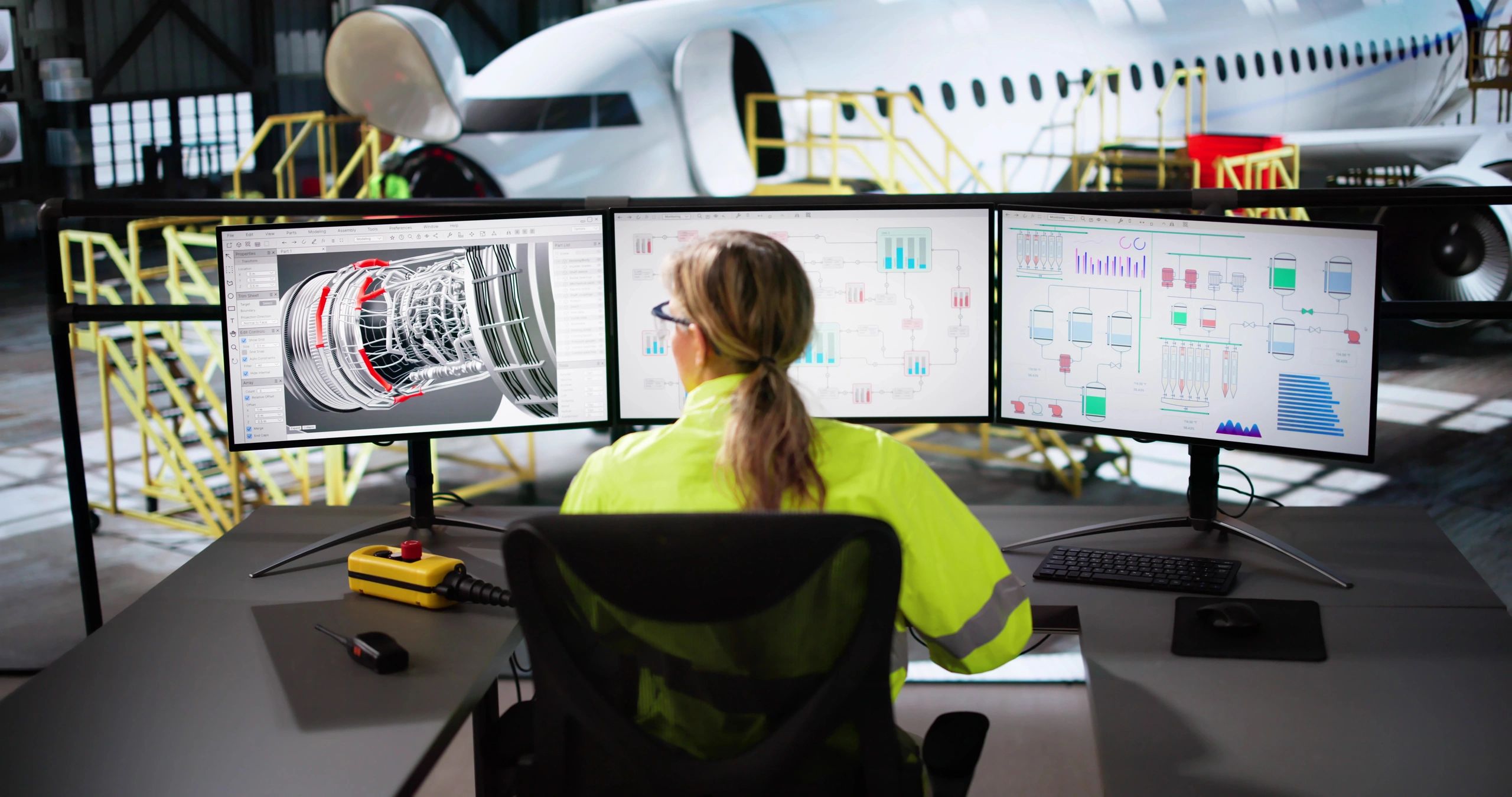
Real-Time Sleep Monitoring
Utilizing advanced wearable sensors, we collect continuous, high-fidelity sleep data from participants in aerospace environments to capture authentic sleep patterns.
✓ Non-invasive monitoring for accurate results
✓ Immediate data transmission for analysis
✓ Minimizes disruption to astronaut routines
Circadian Rhythm Analysis
Our methodology includes in-depth analysis of circadian rhythms, adapting protocols to the unique lighting and scheduling conditions found in space missions.
✓ Identifies misalignments affecting health
✓ Supports fatigue management strategies
✓ Informs optimal scheduling for crew

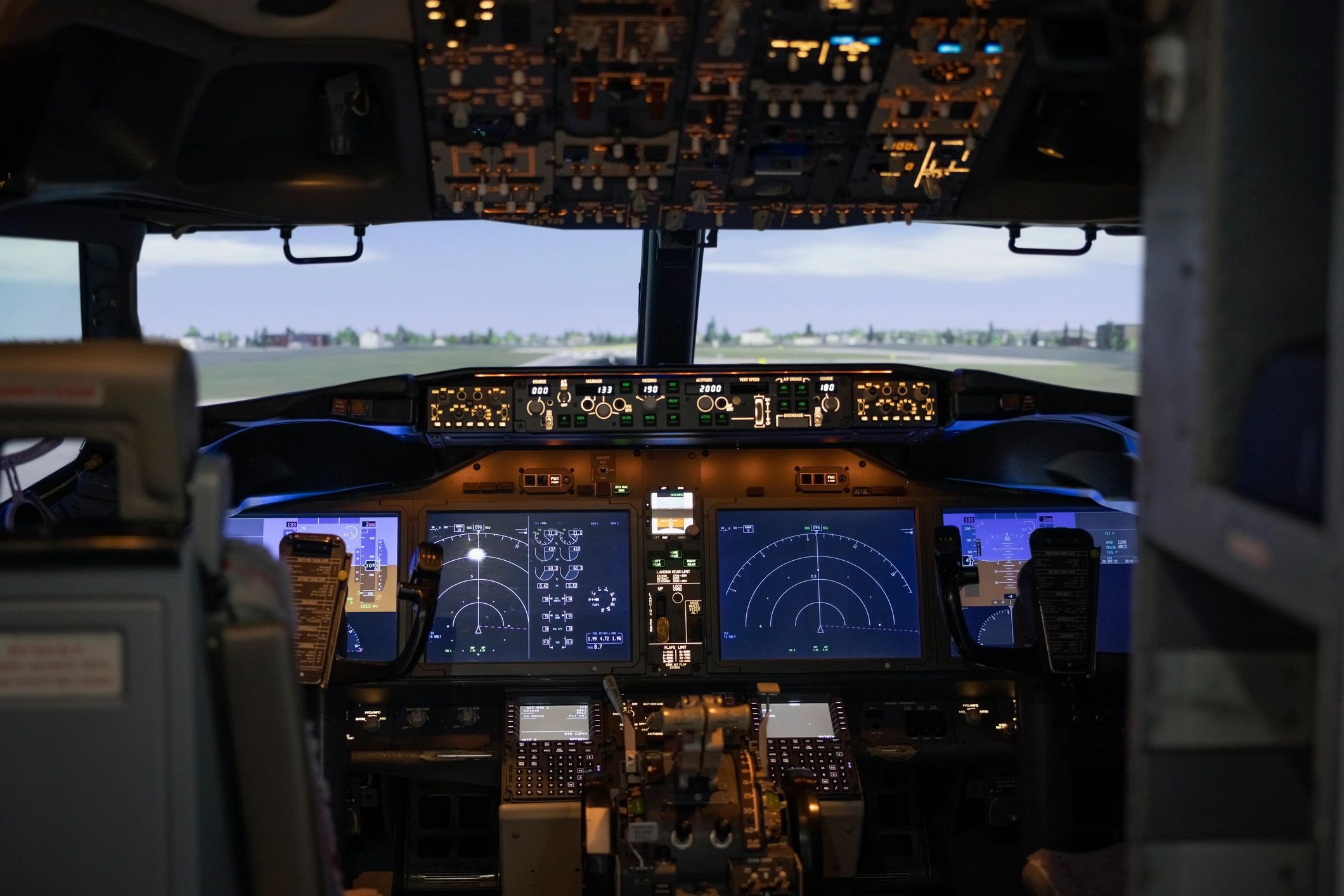
Validated Assessment Tools
We employ a suite of scientifically validated questionnaires and cognitive tests, ensuring reliable measurement of sleep quality and fatigue levels.
✓ Ensures data comparability
✓ Supports evidence-based recommendations
✓ Addresses human factors in spaceflight
Why Sleep Matters in Space Missions
Sleep, circadian rhythms, and effective fatigue management are foundational to astronaut health and mission success. In the unique environment of space, factors such as microgravity, artificial lighting, and disrupted day-night cycles can significantly impact sleep quality and duration. Understanding these influences enables us to design strategies that protect crew well-being and optimize performance during demanding missions.
Impaired sleep and misaligned circadian rhythms can lead to decreased alertness, slower reaction times, and increased risk of errors—critical concerns in high-stakes aerospace operations. By studying sleep patterns in space, researchers can identify risks and develop countermeasures, such as tailored lighting schedules or improved sleep environments, to ensure astronauts remain mentally sharp and physically resilient.
Fatigue management is not just about rest—it’s about maintaining focus, safety, and mission readiness throughout every stage of a spaceflight. Our research addresses these challenges head-on, providing data-driven insights that inform training, operations, and future spacecraft design. By advancing our understanding of human factors in spaceflight, we contribute to safer, more successful missions and the well-being of those who explore beyond our planet.
Discover Our Latest Findings
Explore the groundbreaking results of our research into sleep patterns and astronaut health in aerospace environments. See how these insights are shaping the future of fatigue management and mission safety.